
 how-to
Fast Conveyancing for Leasehold Properties
Table of Contents
- Why Leasehold Conveyancing Takes Longer Than Freehold
- Understanding the Leasehold Conveyancing Process Timeline
- How to Speed Up Leasehold Enquiries and Avoid Delays
- What to Look for in a Leasehold Property Solicitor
- Finding a Leasehold Property Solicitor in Norwich
- How Fixed Fees Protect You From Hidden Costs
- Conclusion
- Frequently Asked Questions
Last Updated: August 23, 2026
Why Leasehold Conveyancing Takes Longer Than Freehold
Fast conveyancing for leasehold properties demands more scrutiny than freehold transactions. The reason isn't bureaucratic red tape, it's that leaseholds carry structural complexity that freeholds simply don't. When you buy a leasehold flat, you're not just acquiring a property; you're entering into a legal relationship with a freeholder and potentially hundreds of other leaseholders through a management company.
The leasehold conveyancing process timeline stretches longer because solicitors must verify dozens of additional documents. The lease itself, often 40+ pages of dense legal clauses, requires detailed analysis. Covenants, service charges, ground rents, and management arrangements all need examination. A freehold purchase might involve checking title deeds and local authority searches. A leasehold conveyancing transaction involves all of that plus lease terms, managing agent details, landlord contact information, and proof of proper maintenance reserves.
Ground rent escalations are a particular concern. Many older leases contain clauses that double ground rent every 20 years (gov.uk). Solicitors must calculate the financial impact over the lease's remaining term. This alone can add days to the conveyancing process. Service charge histories matter too. Buyers want assurance that the building is properly maintained and that future costs won't spiral unexpectedly.
Leasehold properties also require confirmation that the freeholder maintains buildings insurance and that leaseholders contribute fairly. Missing documents from managing agents, absent landlord consents, or unclear service charge arrangements all trigger additional enquiries. Each delay compounds. This is why choosing a conveyancer who understands leasehold conveyancing complexity from the outset makes a measurable difference to your timeline.
Understanding the Leasehold Conveyancing Process Timeline
The leasehold conveyancing process timeline typically spans 7-10 weeks from offer to completion, compared with 4-6 weeks for freehold purchases (lawsociety.org.uk). This extended timeframe reflects the additional verification steps required to protect your interests as a leaseholder.
The first two weeks focus on initial enquiries and document gathering. Your solicitor raises questions with the seller's solicitor about the lease terms, service charges, and managing agent arrangements. They request copies of the lease, service charge accounts for the past three years, and confirmation of any outstanding disputes. Many sellers' solicitors respond within 5-7 days, but some take longer, particularly if the managing agent must be contacted.
Weeks three and four involve detailed lease review and local authority searches. Your conveyancer examines every clause in the lease for restrictions that might affect your use of the property. They check whether you can make alterations, let the property to tenants, or run a business from it. Local authority searches reveal planning history, building regulation compliance, and any enforcement action against the property. These searches typically return within 5-10 working days but occasionally require follow-up enquiries.
By weeks five and six, mortgage lender requirements come into focus. If you're borrowing, your lender's solicitor reviews the lease length and service charge levels. Many lenders won't lend on leases below 75-80 years remaining (fca.org.uk). They also scrutinise ground rent clauses and service charge disputes. If the lease falls short of the lender's requirements, renegotiation with the freeholder becomes necessary, a process that can add 2-3 weeks.
Weeks seven through ten cover final checks, survey report integration, and completion preparation. If your surveyor has flagged structural concerns, your solicitor may raise enquiries about remedial works or warranties. They prepare the completion statement, arrange mortgage funds, and coordinate with all parties. Delays at this stage often stem from missing documentation from managing agents or freeholder consent letters arriving late.

Understanding where delays typically occur helps you prepare. Many clients find that proactive communication with their conveyancer accelerates the leasehold conveyancing process timeline significantly.
How to Speed Up Leasehold Enquiries and Avoid Delays
Accelerating the leasehold conveyancing process requires strategic action at several points. The most effective approach is gathering documents early, before your solicitor even begins formal enquiries.
Request the lease, service charge accounts, and managing agent contact details from the seller's estate agent immediately after your offer is accepted. Many sellers have these documents readily available. If you obtain them within 48 hours of your offer, your conveyancer can begin preliminary review while formal enquiries are being prepared. This parallel processing saves a full week in most cases.
Communicate directly with your mortgage lender's panel solicitor early. Don't wait until week four to discover that the lease length falls below their lending threshold. A quick phone call in week one clarifies whether the property meets their criteria. If lease length is borderline, you can explore freeholder consent for lease extension before completion, removing a potential 3-week bottleneck.
Ensure your surveyor understands the leasehold structure. If they identify concerns about building condition, service charge disputes, or management issues, flag these to your conveyancer immediately. Waiting until week seven to raise structural questions delays completion. Early identification allows your solicitor to raise enquiries while other documents are being gathered.
Managing agent responsiveness often determines your timeline. Ask your conveyancer to contact the managing agent by phone rather than email when requesting service charge accounts or building insurance details. A five-minute phone call often replaces a week of email exchanges. Some managing agents handle dozens of conveyancing enquiries monthly and deprioritise written requests.
Request freeholder consent letters early if the lease requires landlord approval for the sale. Some freeholders take 2-3 weeks to respond. Starting this process in week two rather than week six protects your completion date. Your conveyancer should raise this enquiry before the seller's solicitor has even compiled other documents.
Maintain weekly contact with your conveyancer during the leasehold conveyancing process. Brief, regular updates prevent information bottlenecks. When your conveyancer knows you're actively tracking progress, they prioritise your file. This isn't aggressive, it's standard practice in efficient conveyancing practices.
What to Look for in a Leasehold Property Solicitor
Selecting the right conveyancer directly impacts how quickly your leasehold conveyancing transaction completes. Not all solicitors have equal expertise in leasehold complexities.
Look for conveyancers who specifically mention leasehold experience on their website. Generic conveyancing practices may treat leasehold transactions as straightforward variations of freehold purchases. Experienced leasehold conveyancers understand that service charge disputes, ground rent escalations, and lease length restrictions require proactive investigation, not reactive problem-solving.
Dedicated case handlers matter significantly. When a single conveyancer manages your entire transaction rather than your file being passed between junior staff, continuity accelerates progress. Your case handler learns the specific issues affecting your property and maintains momentum. They understand your lender's requirements and anticipate potential delays.
Check whether the conveyancer is on your mortgage lender's panel. If your lender requires their own solicitor to review the transaction, panel membership simplifies coordination. Non-panel conveyancers must liaise with your lender's solicitor throughout, adding communication layers and potential delays.
Ask about their average leasehold conveyancing timescale. Firms claiming 4-week completion for all leasehold purchases are either exaggerating or cutting corners on essential checks. Realistic conveyancers acknowledge that 7-10 weeks is standard and explain what factors might extend that timeline. They're transparent about service charge disputes or lease length issues that require additional time.
Request examples of how they've handled specific leasehold issues. Ask about their experience with problematic ground rent clauses, service charge disputes, or short leases requiring extension negotiations. Their answers reveal whether they've genuinely worked through these complications or simply followed a checklist.
Verify their communication practices. Will they provide regular updates without you chasing them? Can you reach them by phone during business hours? Some conveyancers respond to emails within 24 hours; others take 3-5 days. For fast conveyancing for leasehold properties, responsiveness is non-negotiable.
Check their professional credentials. SRA-regulated solicitors and CLC-licensed conveyancers both offer client protection, but verify current registration. Ask whether they carry professional indemnity insurance, essential protection if errors occur during your transaction.
Finding a Leasehold Property Solicitor in Norwich
Locating a conveyancer in Norwich with genuine leasehold expertise requires more than a Google search. The best approach combines local knowledge with verification of credentials.
Start by asking your mortgage lender for panel solicitors operating in Norwich. Lenders maintain lists of conveyancers they trust to handle transactions to their standards. These firms have proven track records and understand your lender's specific requirements. This eliminates the risk of discovering mid-transaction that your chosen conveyancer isn't approved.
Search for conveyancing firms in Norwich that explicitly advertise leasehold experience. Local firms often have deeper knowledge of Norwich's property market, including common lease structures and managing agent practices. They've handled hundreds of Norwich leasehold transactions and understand local quirks, like specific managing agents' responsiveness patterns or common lease restrictions affecting Norwich properties.
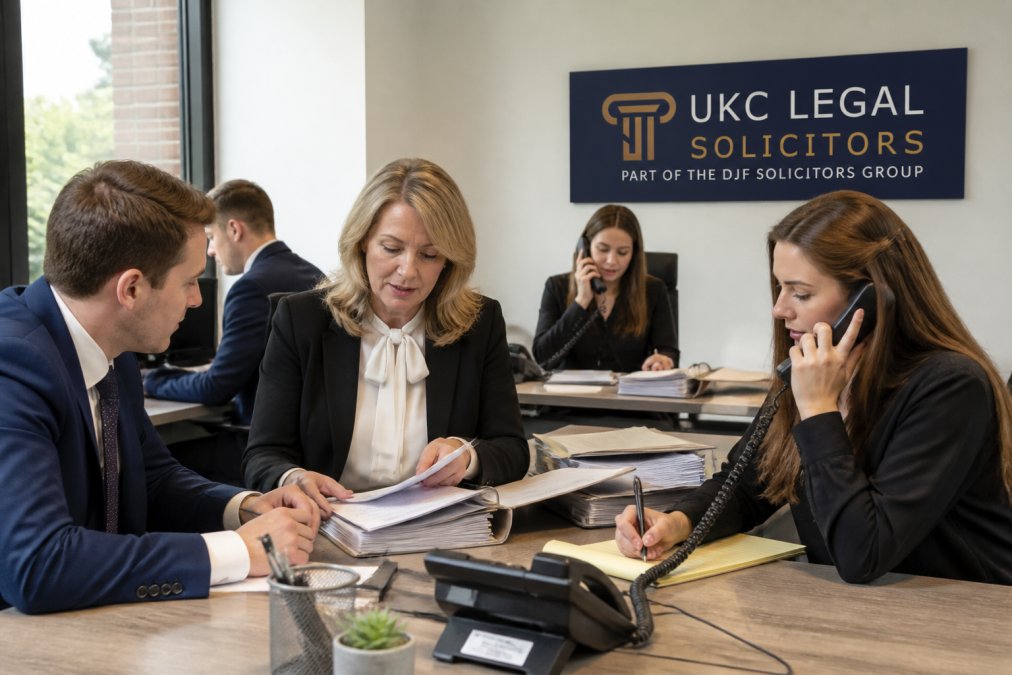
Check online reviews on Google, Trustpilot, and the Law Society website. Look specifically for feedback mentioning leasehold transactions and communication quality. Clients often mention whether their conveyancer kept them informed and met their timeline. Reviews highlighting "responsive," "proactive," and "explained everything clearly" indicate the kind of service that accelerates your transaction.
Verify that any Norwich-based conveyancer you're considering is on your lender's panel before booking a consultation. Many firms claim to work with all major lenders but may not be formally approved. A quick phone call to your lender confirms whether they're registered to act for that lender.
Request a fixed fee quote specifically for leasehold conveyancing. This commitment protects you from hidden costs and demonstrates the firm's confidence in their process. Firms offering transparent pricing typically have simplified procedures that prevent unexpected complications.
Interview at least two conveyancers before deciding. A 15-minute phone consultation with each reveals their communication style and leasehold knowledge. Ask about their average completion timeframe for leasehold purchases and what factors typically cause delays. Their answers indicate whether they understand the real complexity involved.
Ask whether they assign a dedicated case handler to your transaction. Some Norwich firms rotate cases between multiple staff members; others assign one conveyancer to manage your entire purchase. Dedicated case handlers maintain momentum and reduce miscommunication.
How Fixed Fees Protect You From Hidden Costs
Fixed fee conveyancing removes the financial uncertainty that plagues many property transactions. When your conveyancer quotes a fixed price for leasehold conveyancing, that price remains constant regardless of complexity, provided no extraordinary circumstances arise.
Traditional hourly billing creates perverse incentives. Conveyancers billing by the hour have no motivation to work efficiently. A transaction that could complete in eight weeks might stretch to twelve if the conveyancer isn't incentivised to resolve issues quickly. Fixed fees align your interests with your conveyancer's. They profit by completing your transaction efficiently, not by extending it.
Fixed fees also prevent surprise bills at completion. You know your conveyancing costs upfront. No hidden disbursements appear on your completion statement. This transparency is particularly valuable for first-time buyers managing tight budgets. You can factor conveyancing costs into your overall purchase budget with confidence.
However, fixed fees typically exclude certain disbursements. Search fees, local authority searches, and land registry fees are usually separate from the conveyancing fee. Your conveyancer should clearly itemise these costs in their quote. Legitimate disbursements are unavoidable costs that vary by property and location, they're not hidden charges.
Some conveyancers offer fixed fees that genuinely cover everything except statutory search costs. This structure provides maximum certainty. You pay the fixed fee, the search costs (which your conveyancer pays on your behalf), and nothing else at completion. This model suits clients who value simplicity and predictability.
Ask your conveyancer to confirm what's included in their fixed fee. Does it cover raising enquiries with the seller's solicitor? Does it include reviewing the lease in detail? Does it cover communication with your mortgage lender's solicitor? Clear inclusion statements prevent misunderstandings.
Understand what circumstances might trigger additional costs beyond the fixed fee. Most conveyancers reserve the right to charge extra if the transaction involves lease extension negotiations, freeholder disputes, or other complications requiring specialist work. A transparent conveyancer explains these potential additional costs upfront, not after they've occurred.
Compare fixed fees across multiple conveyancers, but don't choose based solely on price. A conveyancer quoting £200 less than competitors may be cutting corners on due diligence. The cheapest option rarely provides the fastest service. Mid-market pricing typically reflects firms that balance efficiency with thoroughness.
Conclusion
Fast conveyancing for leasehold properties is achievable when you understand the process, choose the right conveyancer, and take proactive steps to prevent delays. The 7-10 week timeline for leasehold transactions reflects genuine complexity, not bureaucratic inefficiency. Service charges, ground rent clauses, and managing agent coordination require proper investigation to protect your interests.
Whether you're buying a leasehold flat, selling a property, considering a remortgage, or exploring a transfer of equity, the principles of efficient conveyancing remain the same: clear communication, proactive case management, and transparent pricing accelerate your transaction and protect your legal interests.
The difference between a smooth leasehold purchase and a frustrating one often comes down to your conveyancer's expertise and responsiveness. At UKC Legal, our team of SRA solicitors and CLC-licensed conveyancers specialise in fast conveyancing for leasehold properties across the UK, including Norwich. We assign a dedicated case handler to every client, maintain transparent fixed fees with no hidden costs, and provide regular updates throughout your transaction. Our average leasehold completion time is 7-10 weeks, and our track record of identifying legal issues and verifying marketable title protects your interests at every stage. Get a quote today and experience conveyancing that keeps you informed and moves your transaction forward efficiently.
Frequently Asked Questions
Why does leasehold conveyancing take longer than freehold in the UK?
Leasehold conveyancing requires additional legal checks that freehold purchases do not. Your solicitor must review the lease terms, verify the freeholder's identity, obtain a Management Information Pack, and raise enquiries with the seller's solicitor about ground rent, service charges, and any lease restrictions. These extra steps typically add 2-4 weeks to the process, which is why fast leasehold conveyancing typically takes 7-10 weeks compared to 4-6 weeks for freehold.
How can I speed up my leasehold conveyancing process?
Work with a solicitor experienced in leasehold transactions who can anticipate common delays. Provide all requested documents promptly, respond quickly to queries, and ensure your mortgage lender's panel conveyancer is instructed early. Request the Management Information Pack and lease information from the seller immediately after offer acceptance. A dedicated case handler who manages your file actively can also accelerate enquiries and reduce back-and-forth delays.
What documents do I need for a leasehold purchase?
Essential documents include the property lease (full copy), Management Information Pack, service charge accounts for the last three years, ground rent payment history, and confirmation of any outstanding service charge arrears. Your solicitor will also need evidence of the freeholder's identity and details of any major works planned. Having these documents ready before your solicitor raises enquiries can significantly speed up the leasehold conveyancing process.
How do I know if a conveyancer will actually stick to their fixed fee?
A reputable conveyancer provides a written fee quote that clearly itemises what is included and what is not. Fixed fees should cover standard conveyancing work, searches, and enquiries for a straightforward transaction. Ask specifically whether the fee covers complications such as title defects, additional enquiries, or lender requirements. Transparent firms like UKC Legal disclose their fee structure upfront and explain any circumstances where additional costs might arise, giving you confidence in the final bill.
This article was written using GrandRanker